
Why Some Robot Vacuums Miss Corners (And Whether It Matters)
If you’ve ever watched a robot vacuum clean, you’ve probably noticed something.
It glides across open floor space pretty well.
Then it gets to a corner…
…and leaves a little triangle of dust behind.
So what’s going on?
Are robot vacuums bad at cleaning corners — or is this just part of how they’re designed?
The answer is a mix of physics, design limitations, and expectations.
Let’s break it down.
The Shape Problem: Round Vacuum, Square Room
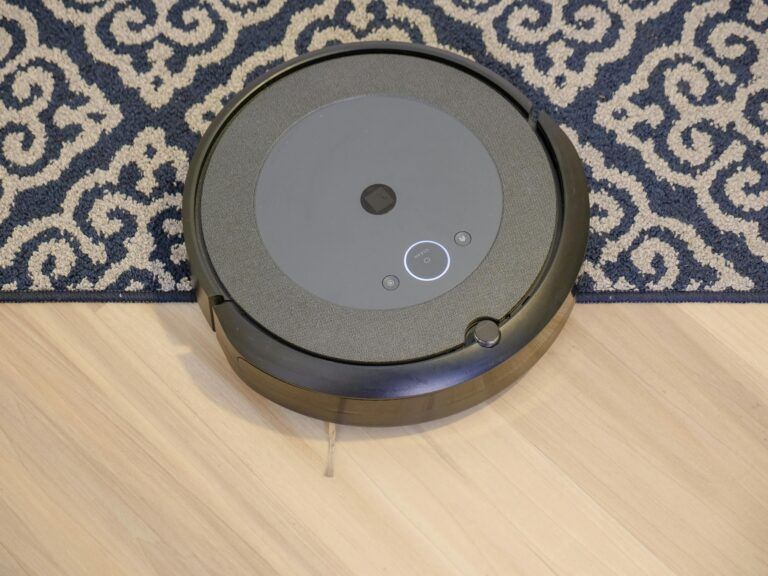
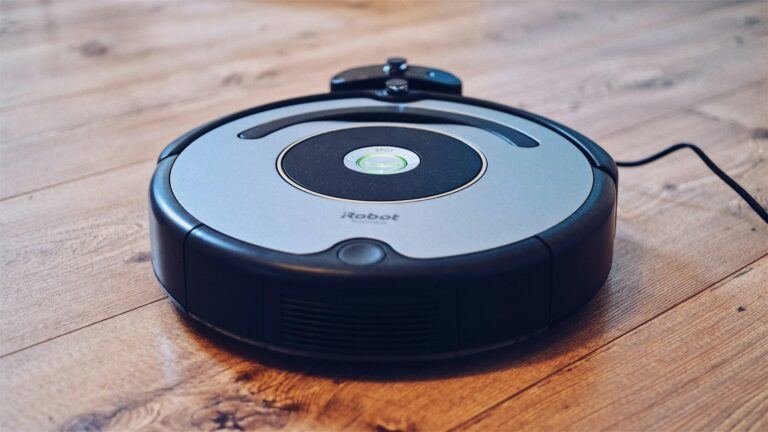
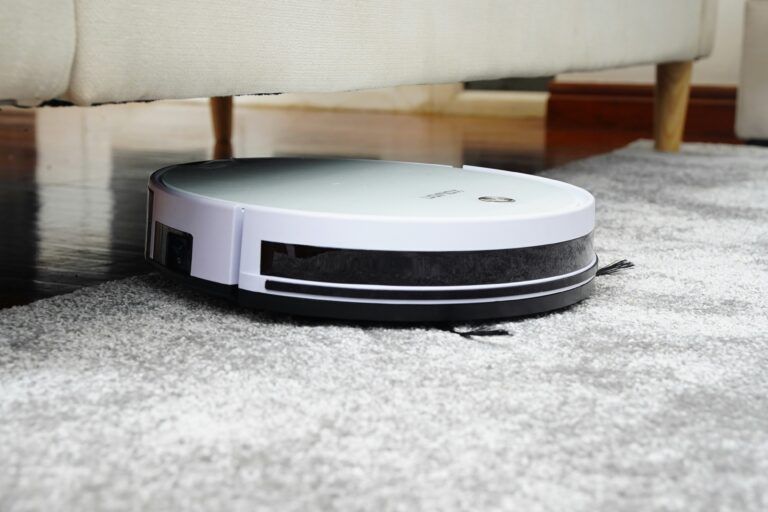
Most robot vacuums are round.
Rooms are square.
That alone explains a lot.
A circular robot physically cannot press fully into a 90-degree corner the way a rectangular upright vacuum head can.
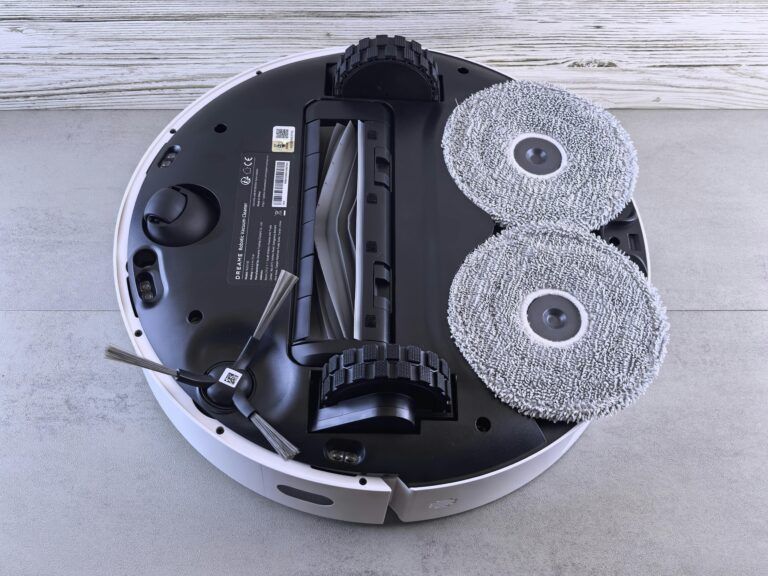
Manufacturers compensate for this by adding side brushes that extend outward to sweep debris into the suction path.
But even with side brushes, perfect corner cleaning is difficult.
This isn’t necessarily a flaw — it’s a design tradeoff.
Side Brushes: Helpful but Not Perfect
The spinning side brush is what pulls debris from corners toward the center suction area.
On light dust and small debris, this works surprisingly well.
But heavier particles, pet hair clumps, or debris stuck against baseboards may not get fully pulled in.
Brush design matters here.
Higher-end models often use better brush tension and stronger suction near edges.
If you’re comparing performance-focused models, Top 5 Robot Vacuums That Make Sense is a good place to see which ones handle edge cleaning better.
Not all robot vacuums clean edges the same way.
Cheaper models often rely on basic bump navigation. They’ll touch the wall, turn slightly, and continue cleaning in a somewhat random pattern.
More advanced models use mapping systems that deliberately trace the perimeter of the room.
That difference can improve edge consistency significantly.
If navigation quality is something you’re evaluating, Cheap vs Expensive Robot Vacuums: What Actually Changes? explains how mapping impacts real-world cleaning.
Better navigation doesn’t eliminate missed corners — but it reduces them.
Carpet Makes Corners Harder
Corners on hardwood are one thing.
Corners on carpet are another.
Carpet fibers hold onto debris more tightly, especially in areas where foot traffic pushes dirt toward walls.
On carpet, robot vacuums rely more heavily on:
- Suction strength
- Brush agitation
- Edge cleaning passes
If carpet performance is a concern overall, you may also want to read Do Robot Vacuums Work on Carpet? What to Know Before Buying to set expectations correctly.
Does It Actually Matter?
Here’s the bigger question.
Do slightly missed corners really matter?
For most households, robot vacuums are used for maintenance cleaning — not perfection.
They keep open areas clean daily and reduce visible buildup.
Occasional deep cleaning with a traditional vacuum handles:
- Corners
- Baseboards
- Tight crevices
- Stairs
If you expect flawless edge-to-edge performance every day, you may be disappointed.
If you expect consistent daily maintenance with occasional manual touch-ups, you’ll likely be satisfied.
If you’re still deciding whether a robot vacuum fits your expectations overall, Before You Buy a Robot Vacuum can help clarify that.
Can You Improve Corner Cleaning?
Yes — to a point.
Here are a few practical ways to improve results:
- Keep side brushes clean and untangled
- Replace worn side brushes regularly
- Run the vacuum more frequently
- Use edge-cleaning mode if available
- Manually vacuum corners occasionally
Maintenance also plays a role.
If performance declines over time, reviewing Robot Vacuum Maintenance Costs Explained (What Most Buyers Don’t Expect) can help you understand when parts need replacing.
Sometimes missed corners aren’t design flaws — they’re worn brushes.
Frequently Asked Questions About Robot Vacuums and Corners
Why do robot vacuums miss corners?
Most are round, while rooms have square corners.
Side brushes help, but they can’t always reach perfectly into tight 90-degree angles.
Do expensive robot vacuums clean corners better?
Often, yes.
Better navigation and stronger edge suction improve consistency — but no robot vacuum achieves perfect corner cleaning.
Are square robot vacuums better for corners?
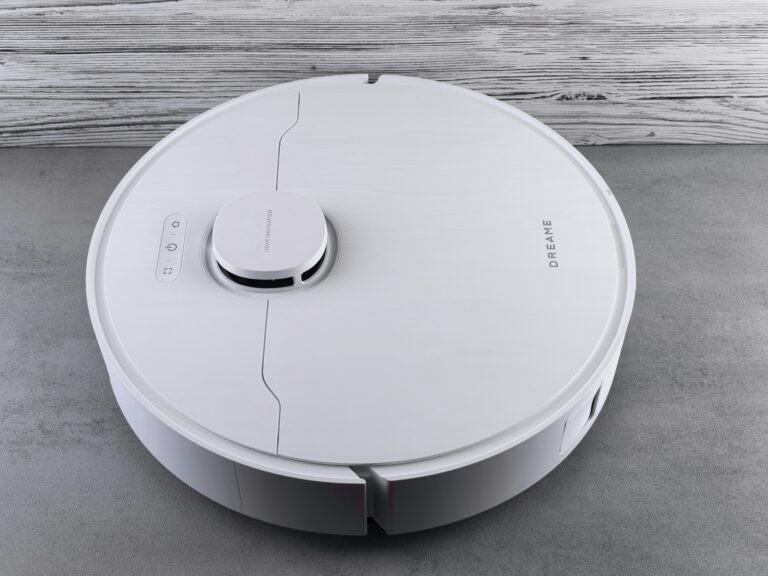
Some D-shaped or square-front models are designed to improve edge reach.
They may perform slightly better in corners, but side brush design still plays a major role.
Can I adjust my robot vacuum to focus on edges?
Many advanced models offer edge-cleaning or perimeter modes.
Using these settings can improve results along walls and corners.
Should missed corners be a dealbreaker?
For most people, no.
Robot vacuums are maintenance tools. Occasional manual touch-up cleaning is still expected.
Why does my robot vacuum miss the same corner repeatedly?
It may be a mapping issue, weak side brushes, or debris stuck beyond the brush’s reach.
Cleaning or replacing the side brush often helps.
Should You Worry About Missed Corners?
Some robot vacuums miss corners.
That’s normal.
Because of their round shape and design limitations, perfect 90-degree cleaning isn’t realistic.
The better question is whether it matters for your home.
If you want daily maintenance and reduced visible debris, robot vacuums do that well.
If you want flawless edge-to-edge perfection every single run, you’ll still need occasional manual vacuuming.
For most households, slightly imperfect corners are a minor tradeoff for consistent, automated cleaning.