
When It’s Actually Worth Paying More for Cleaning Supplies
Not all cleaning supplies need to be expensive.
In fact, overspending on specialty products is one of the most common cleaning mistakes. But there are categories where paying more actually improves performance, durability, and long-term cost.
If you haven’t already, start with Before You Buy Cleaning Supplies to build a simple system instead of collecting products. And if you’ve read Cleaning Supplies People Regret Buying, you already know how easy it is to waste money in this category.
This guide answers the next question:
Where does quality truly matter — and where doesn’t it?
Paying More Isn’t About Branding — It’s About Durability
The biggest difference between cheap and higher-quality cleaning tools usually isn’t marketing.
It’s durability.
Low-cost tools often:
- Break within months
- Leak under the sink
- Shed fibers
- Lose effectiveness quickly
Higher-quality tools tend to:
- Last years
- Perform consistently
- Reduce replacement cycles
When something is used weekly (or daily), durability matters more than price.
It’s Worth Paying More for Reusable Microfiber Cloths
Microfiber does most of the actual cleaning work in many homes.
Cheap cloths often:
- Leave lint behind
- Lose absorbency quickly
- Fall apart in the wash
Higher-quality microfiber:
- Cleans effectively with less product
- Withstands repeated washing
- Reduces the need for disposable wipes
Since cloths are used constantly, upgrading here improves performance without increasing complexity.
It’s Worth Paying More for a Durable Mop
Floor cleaning tools see heavy wear.
Cheap mop systems often:
- Break at the handle joint
- Require proprietary refills
- Leave streaks
- Wear out quickly
Paying more makes sense when:
- The mop is used weekly
- You clean large areas
- You want washable, reusable heads
A durable mop reduces frustration and replacement costs over time.
It’s Worth Paying More for Spray Bottles and Dispensers
This is one of the most overlooked upgrades.
Cheap spray bottles:
- Leak
- Lose pressure
- Break at the trigger
A sturdy, refillable bottle:
- Lasts for years
- Delivers consistent spray patterns
- Prevents cabinet mess
It’s a small upgrade that prevents repeated minor annoyances.
It’s Worth Paying More for Tools That Handle Friction
Scrub brushes, grout brushes, and heavy-duty cleaning tools endure physical stress.
Lower-quality versions may:
- Bend
- Crack
- Shed bristles
If a tool requires force or repeated scrubbing, investing in better construction makes sense.
It’s Worth Paying More for Vacuums (Strategically)
Vacuum quality dramatically affects cleaning performance.
Cheaper models often:
- Lose suction quickly
- Have short lifespans
- Require frequent filter replacements
A reliable vacuum is one of the few cleaning tools that justifies higher upfront cost because it directly affects cleanliness and long-term replacement cycles.
When Paying More Usually Doesn’t Help
Not every cleaning product benefits from premium pricing.
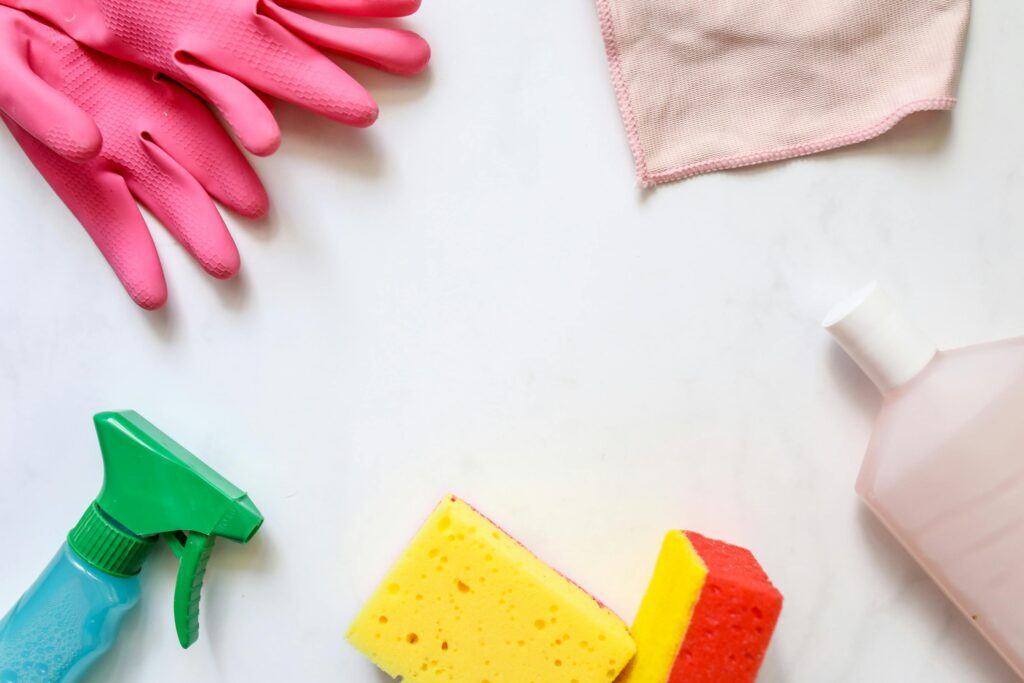
Spending more rarely improves:
- Basic sponges
- Simple all-purpose cleaners
- Disposable gloves
- Basic dusters
If the item:
- Doesn’t endure heavy wear
- Is easily replaceable
- Doesn’t affect cleaning results dramatically
Then mid-range or budget options are usually sufficient.
Strategic upgrades matter more than blanket upgrades.
How to Decide Before Upgrading
Before spending more on any cleaning supply, ask:
- Is this used weekly?
- Does the cheap version fail quickly?
- Would replacing it repeatedly cost more?
- Does quality meaningfully improve performance?
If the answer is yes to most of these, upgrading probably makes sense.
If not, save your money.
Why This Prevents Cleaning Regret
Most cleaning regret happens because people:
- Overpay for specialty products
- Underpay for long-term tools
- Buy emotionally instead of strategically
Understanding where quality truly matters keeps your cleaning system simple and effective.
What Actually Makes Sense
You don’t need premium everything.
You need:
- Durable core tools
- Reusable basics
- A system that works
If you want a short, practical list of tools that hit the sweet spot between affordable and reliable, head to: Top 5 Cleaning Supplies That Actually Make Sense
Final Takeaway
Paying more for cleaning supplies is worth it when:
- It improves durability
- It reduces replacement cycles
- It meaningfully improves results
- It simplifies your routine
It’s not worth it when:
- It adds complexity
- It solves a rare problem
- It’s mostly branding
Buy strategically.
Clean consistently.
Keep it simple.