Are Robot Vacuums Worth It? Honest Pros and Cons
Robot vacuums tend to polarize people.
Some swear by them and run them daily. Others buy one, use it a few times, and quietly let it sit in a corner until it’s eventually sold or donated.
The difference usually isn’t the brand or the model — it’s whether a robot vacuum actually fits the home, the floor type, and the expectations of the person who bought it.
This guide explains the situations where a robot vacuum genuinely makes sense, where it adds real value, and where it’s often better to skip the purchase entirely.
The goal isn’t to convince you to buy one.
It’s to help you decide before you do.
If you’re still learning how robot vacuums actually work and what to look for, start with Robot Vacuum Buying Guide: What Actually Matters Before You Buy.
What “Worth It” Actually Means for a Robot Vacuum
A robot vacuum is worth it when it:
- Saves you time
- Reduces how often you vacuum manually
- Keeps floors consistently cleaner with minimal effort
- Feels helpful rather than frustrating
It’s not worth it if:
- It creates more maintenance than convenience
- It doesn’t match your floor type
- It solves a problem you don’t actually have
With that in mind, here’s when a robot vacuum tends to earn its place.
It’s Worth It If You Have Mostly Hard Floors
Robot vacuums perform best on:
- Hardwood
- Tile
- Vinyl
- Laminate
- Low-pile rugs
On these surfaces, they:
- Pick up dust and debris efficiently
- Navigate more reliably
- Require less suction to be effective
If most of your home is hard flooring, a robot vacuum can quietly maintain cleanliness between deeper cleanings.
If your home is mostly thick carpet, results are far less consistent — and often disappointing. Carpet performance can vary quite a bit, so check out Do Robot Vacuums Work on Carpet? What to Know Before Buying before deciding.
It’s Worth It If You Want Maintenance Cleaning, Not Deep Cleaning
This is one of the most important distinctions.
Robot vacuums are best used for:
- Frequent, light cleaning
- Daily or near-daily runs
- Keeping floors from getting visibly dirty
They are not designed to:
- Replace upright vacuums
- Handle heavy debris regularly
- Deep-clean carpets
If you think of a robot vacuum as a supplement rather than a replacement, it’s far more likely to feel worth the money.
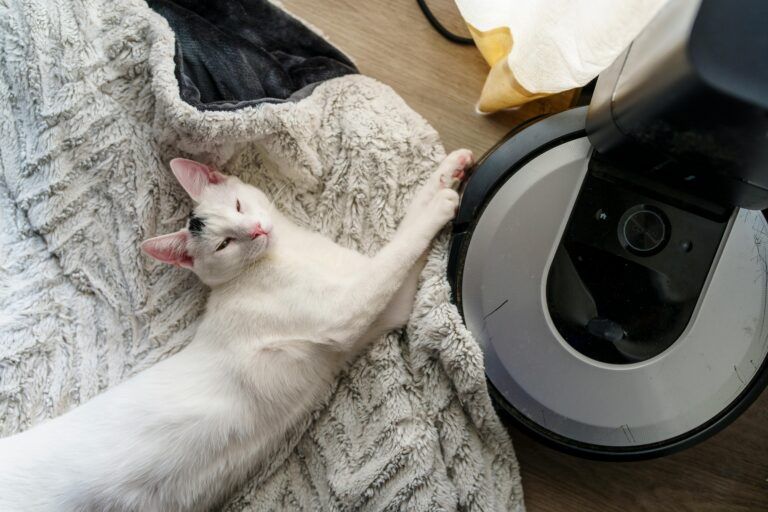
It’s Worth It If You Have Pets (Under the Right Conditions)
Pet owners are often the best candidates — but only in certain homes.
A robot vacuum can be worth it if:
- Pets shed consistently
- Hair collects on hard floors
- You want to reduce visible buildup between cleanings
It’s less effective if:
- Hair is deeply embedded in thick carpet
- Floors are cluttered with toys and bowls
- You expect it to handle all pet-related messes
For many pet owners, a robot vacuum reduces daily effort — even if it doesn’t eliminate manual vacuuming entirely.
If you have pets, it’s worth reading Are Robot Vacuums Worth It for Pet Hair? to understand what they can realistically handle.
It’s Worth It If You Value Convenience Over Perfection
Robot vacuums trade perfect results for consistency.
They:
- Miss some corners
- Occasionally need help
- Don’t clean as thoroughly as a manual vacuum
But they:
- Run automatically
- Clean more often than most people would manually
- Keep floors “good enough” most of the time
If you’re comfortable with that tradeoff, a robot vacuum often feels like a net win.
If imperfections bother you, frustration tends to build quickly.
It’s Worth It If You’re Willing to Do Light Maintenance
Despite the automation, robot vacuums aren’t maintenance-free.
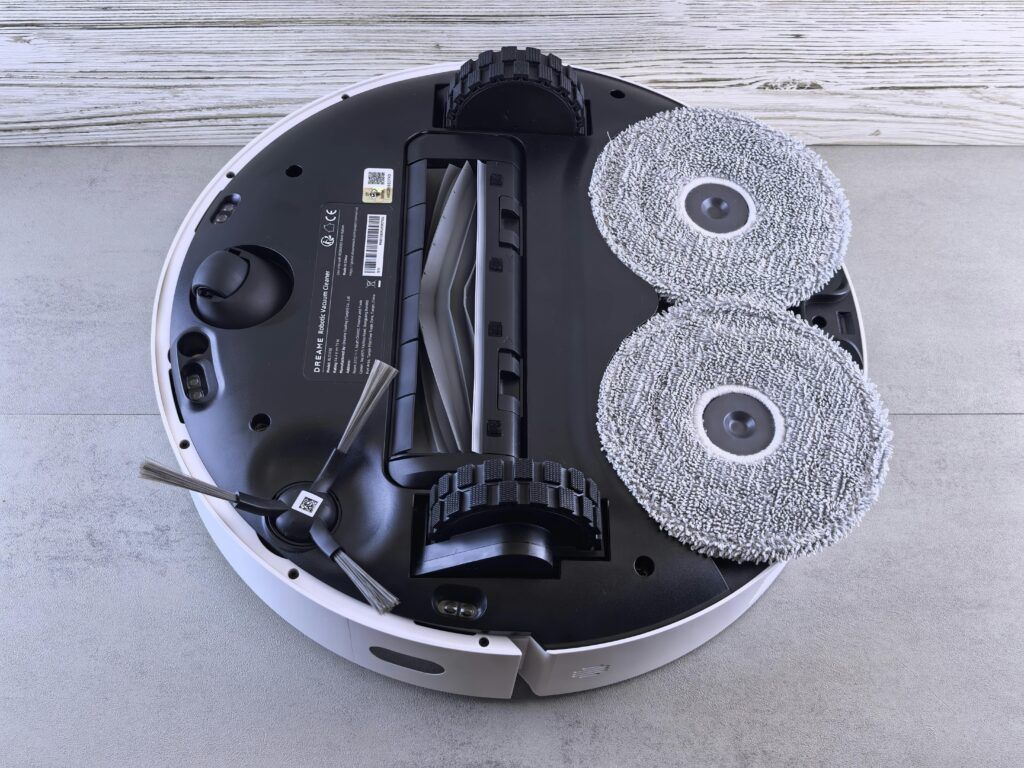
Expect to:
- Empty the dust bin
- Clean brushes periodically
- Clear sensors
- Occasionally rescue the vacuum
This upkeep is usually light — but unavoidable.
If you’re okay with a small amount of involvement, the convenience payoff makes sense.
If you want zero interaction, expectations may not align with reality.
It’s Worth It in Larger, Open Floor Plans
Robot vacuums tend to shine in:
- Open layouts
- Larger hard-floor areas
- Homes where manual vacuuming feels time-consuming
In these spaces, the time savings are more noticeable, and the robot’s limitations matter less.
In very small spaces, the convenience advantage is often minimal.
When a Robot Vacuum Is Usually Not Worth It
Just as important as knowing when to buy is knowing when to skip.
A robot vacuum is often not worth it if:
- Your home is small and easy to clean manually
- Floors are mostly thick carpet
- You vacuum infrequently and don’t mind it
- Budget is tight and the purchase would cause stress
- Floor clutter is unavoidable
Skipping a purchase that doesn’t fit your situation is a core part of buying better.
The Cost vs. Value Tradeoff
Robot vacuums tend to fall into a middle ground:
- Not cheap
- Not essential
- But potentially useful
They’re worth it when the time saved and convenience gained outweigh the cost and maintenance.
They’re not worth it when they solve a problem you don’t really have.
Understanding that difference prevents regret.
How This Fits Into Buying Once
Buying once doesn’t mean buying everything that sounds useful.
It means:
- Understanding your actual needs
- Avoiding impulse upgrades
- Choosing tools that quietly earn their place over time
A robot vacuum can absolutely be one of those tools — in the right home.
If you’re still deciding whether one makes sense at all, start here:
→ Before You Buy a Robot Vacuum
And if you’ve decided it does fit your situation, the next step is choosing wisely:
→ Top 5 Robot Vacuums That Make Sense