Robot Vacuum Maintenance Costs Explained (What Most Buyers Don’t Expect)
Robot vacuums are marketed as convenient.
And they are.
But what most buyers don’t think about upfront is this:
What does it cost to maintain one?
Because while the purchase price gets all the attention, ongoing maintenance is part of the reality.
The good news?
Maintenance costs are usually reasonable.
The bad news?
They’re rarely discussed before you buy.
Let’s break down what you can realistically expect to spend each year.
The Short Answer: What Do Robot Vacuums Cost to Maintain?
On average, most robot vacuums cost between $50–$150 per year to maintain.
That number depends on:
- How often you run it
- Whether you have pets
- The model you choose
- Replacement part pricing
Higher-end models don’t necessarily cost more to maintain — but heavy daily use can increase part replacement frequency.
If you’re still deciding whether a robot vacuum makes sense overall, Before You Buy a Robot Vacuum is a helpful starting point.
The Most Common Replacement Parts
Robot vacuums don’t have many moving parts — but a few components wear out predictably.
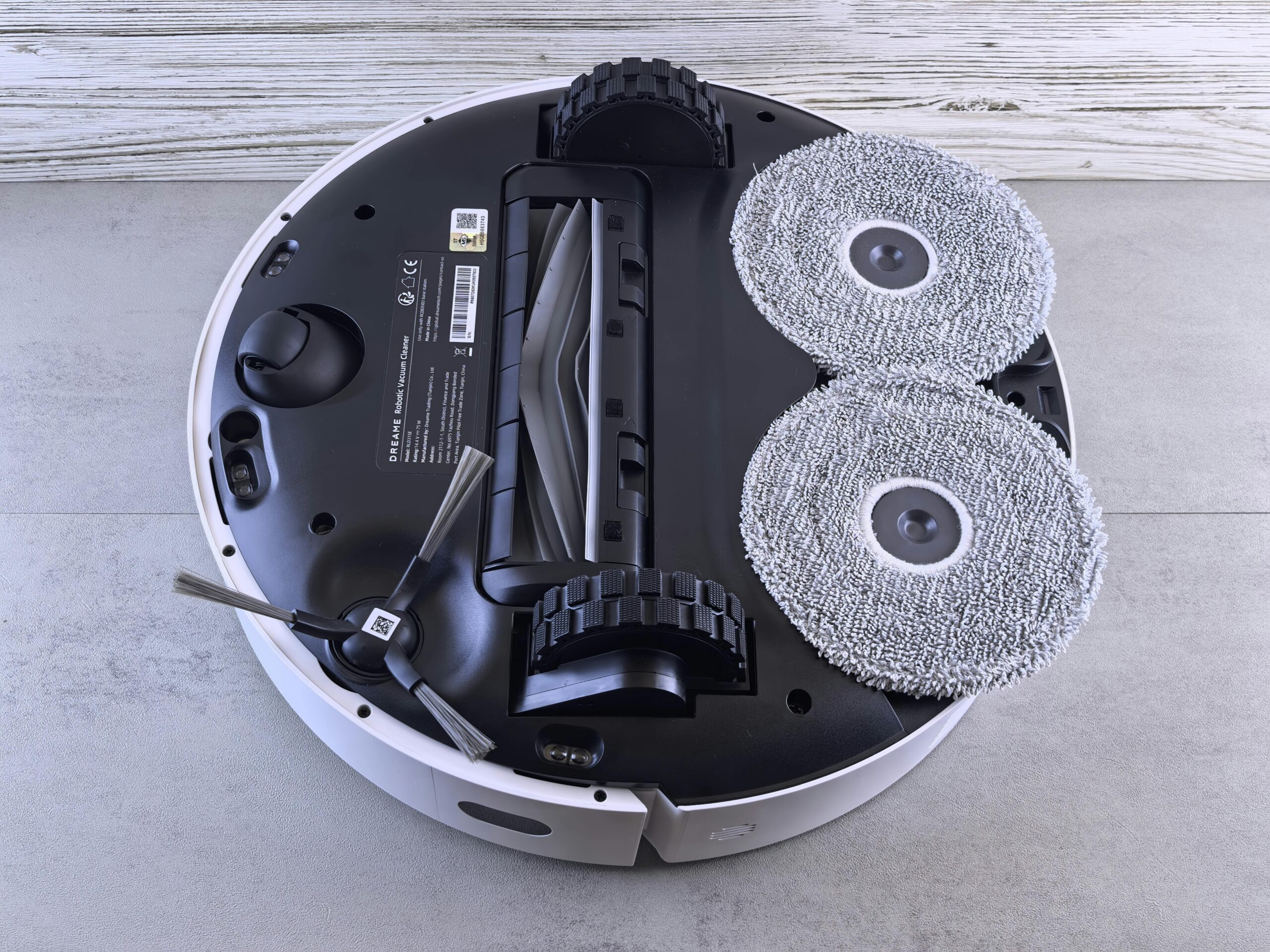
Filters
Filters typically need replacing every 2–3 months.
If you run the vacuum daily or have pets, you may replace them more often.
Annual estimate: $20–$40.
Brush Rolls
Hair — especially pet hair — wraps around brush rolls and eventually wears them down.
Most manufacturers recommend replacing the main brush once or twice per year.
Annual estimate: $20–$50.
If pet hair is a major factor in your home, you may also want to review Are Robot Vacuums Worth It for Pet Hair? to understand the extra wear shedding can cause.
Side Brushes
Side brushes help with edge cleaning but tend to bend and wear over time.
They’re inexpensive and usually replaced once or twice per year.
Annual estimate: $10–$25.
Batteries
Batteries don’t need annual replacement — but they do wear out.
Most lithium-ion batteries last 2–4 years depending on usage.
Replacement cost: typically $40–$100.
If you want a deeper breakdown of lifespan and battery expectations, see How Long Do Robot Vacuums Last? Lifespan and Battery Reality.
Does Daily Use Increase Maintenance Costs?
Yes — but not dramatically.
Running your vacuum daily increases:
- Battery cycles
- Brush wear
- Filter replacement frequency
However, daily cleaning also reduces strain from heavy debris buildup.
In homes with pets or carpet, daily use is common. If carpet performance is part of your buying decision, Do Robot Vacuums Work on Carpet? What to Know Before Buying may help you set realistic expectations.
More use equals more wear — but also more value.
Are Expensive Models More Expensive to Maintain?
Not necessarily.
In many cases:
- Replacement parts cost similar amounts across brands.
- Higher-end models use better brush systems that may last longer.
- Self-empty bases may require occasional bag replacements.
The bigger factor is usage — not price tier.
If you’re trying to avoid paying for unnecessary upgrades, reviewing Robot Vacuum Features People Overpay For can help you separate marketing from meaningful features.
The Hidden Cost: Time
There’s another cost most buyers don’t expect.
Time.
Even with automation, you still need to:
- Empty the dustbin (unless self-emptying)
- Clean hair from brushes
- Replace parts periodically
- Wipe sensors occasionally
Maintenance isn’t difficult — but it’s not zero effort either.
Understanding this upfront prevents disappointment later.
Frequently Asked Questions About Robot Vacuum Maintenance Costs
How much does it cost per year to maintain a robot vacuum?
Most owners spend between $50–$150 per year depending on usage and replacement part frequency.
Homes with pets may land on the higher end of that range.
How often do robot vacuum filters need replacing?
Typically every 2–3 months.
Heavy use or pet households may require more frequent replacement.
Are robot vacuum batteries expensive to replace?
Most replacement batteries cost between $40–$100.
They usually last 2–4 years before needing replacement.
Do self-empty robot vacuums cost more to maintain?
They can.
Some use disposable bags that need replacing periodically, adding a small recurring cost.
Is maintenance difficult?
No — it’s simple but necessary.
Basic upkeep includes cleaning brushes, emptying debris, and replacing worn parts.
Can skipping maintenance shorten lifespan?
Yes.
Ignoring filter and brush maintenance can strain motors and reduce overall lifespan.
Final Verdict: Are Robot Vacuum Maintenance Costs Worth It?
For most owners, yes.
Annual maintenance costs are modest compared to the convenience gained.
Robot vacuums aren’t maintenance-free — but they’re far from high-maintenance.
If you understand the recurring costs upfront, there are no surprises.
And when viewed over a 3–6 year lifespan, maintenance expenses are generally reasonable.
Like most purchases in this category, success comes down to:
- Choosing the right model
- Maintaining it properly
- Setting realistic expectations
Do that, and the long-term value usually outweighs the ongoing costs.