
Kitchen Tools People Regret Buying
Kitchen tools are some of the most tempting things to buy — and some of the most common sources of regret.
They’re affordable, heavily marketed, and constantly presented as “must-haves.” A gadget promises to save time, simplify cooking, or make meals more fun. So it ends up in your cart… and then often in the back of a drawer.
If you haven’t already, start with Before You Buy Kitchen Tools. That guide explains why kitchen tool regret is so common and how to avoid it in the future.
This page gets more specific — the types of tools people regret buying most often, and why.
If you recognize a few of these, you’re not alone.
Single-Purpose Gadgets You Use Once (or Never)
These are the biggest offenders.
Tools designed to do one very specific task almost always sound more useful than they are.
Common examples:
- Avocado slicers
- Egg separators
- Banana slicers
- Strawberry hullers
- Corn strippers
Why people regret them:
- They take up space for something you do occasionally
- A knife or spoon already does the job well enough
- Cleaning them takes longer than using them
The problem isn’t the price — it’s the tradeoff. One task, one tool, permanent drawer space.
“As Seen on TikTok” or Viral Kitchen Gadgets
Viral kitchen tools are designed to sell excitement, not longevity.
Why people buy them:
- Short videos make them look effortless
- Everyone seems to have one
- They promise speed or efficiency
Why people regret them:
- They only work well in perfect conditions
- They’re often cheaply made
- They don’t integrate into real cooking routines
- The novelty wears off fast
If a tool looks amazing in a 30-second video but doesn’t replace something you already use, it’s likely to become clutter.
Multi-Function Tools That Do Everything Poorly
“All-in-one” sounds efficient. In practice, it often means compromise.
Examples:
- Combination peelers/slicers/choppers
- Large plastic prep stations with attachments
- Tools that claim to replace several basics
Why people regret them:
- They’re bulky
- Each function is worse than a simple alternative
- Setup and cleanup take too long
- You end up reaching for your normal tools anyway
The irony: tools meant to reduce clutter often create more of it.
Cheap Plastic Versions of Tools You Use Daily
Some tools get used constantly — and that’s exactly where cheap versions fail fastest.
Examples:
- Spatulas that melt or warp
- Measuring cups that crack
- Bowls that stain or retain odors
Why people regret them:
- They break or degrade quickly
- They feel unpleasant to use
- They get replaced repeatedly
This is one of the most frustrating forms of regret: buying the same tool multiple times when one good version would have lasted years.
Tools That Are Annoying to Clean
A tool can work perfectly and still be a bad purchase.
Why?
Because if it’s annoying to clean, it won’t get used.
Examples:
- Tools with lots of crevices
- Gadgets with multiple removable parts
- Items that aren’t dishwasher-safe
Why people regret them:
- Cleaning takes longer than the task itself
- Food gets stuck
- They end up avoided even when useful
Ease of cleaning matters more than most people expect — and it’s rarely obvious at purchase time.
Duplicate Tools You Didn’t Need
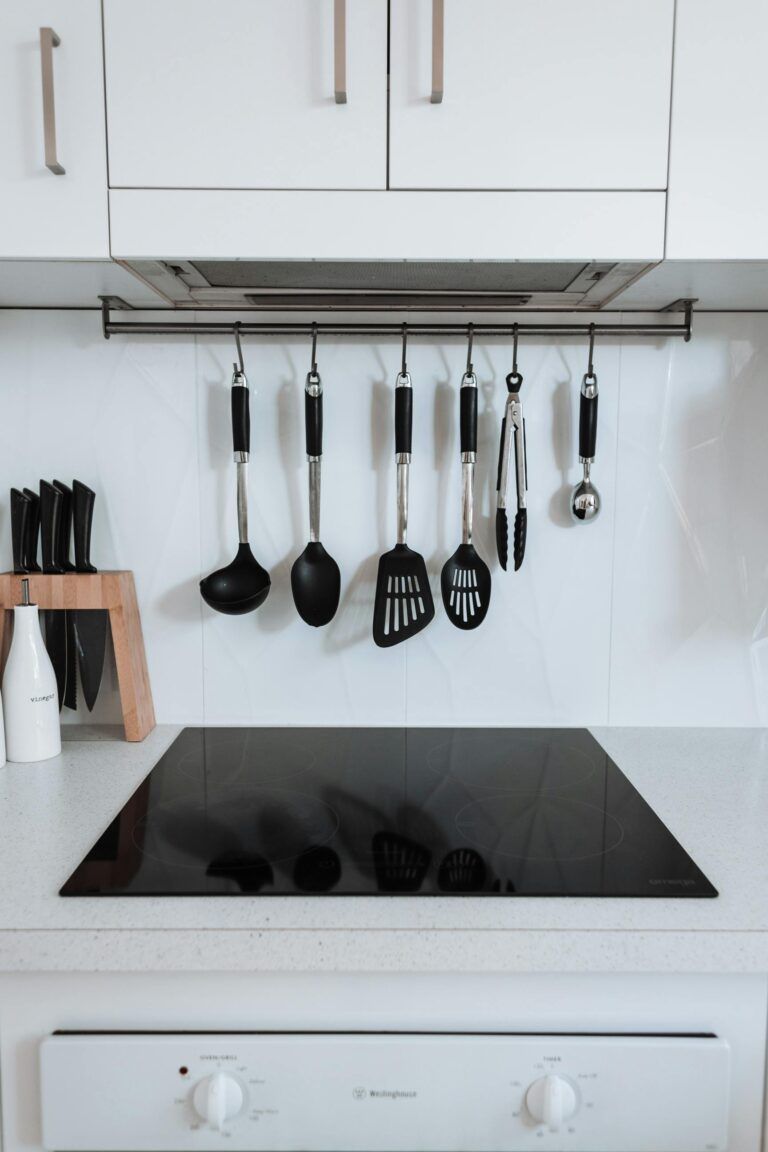
Kitchen tools often overlap in function, and it’s easy to buy duplicates without realizing it.
Examples:
- Multiple peelers
- Several sets of measuring cups
- Extra spatulas or ladles you never reach for
Why people regret them:
- They don’t solve a new problem
- They crowd drawers and containers
- They add visual clutter
If a tool doesn’t replace something you already use, it should justify itself clearly.
Specialty Tools for Meals You Rarely Make
Buying tools for “special” meals is another common trap.
Examples:
- Pasta-making gadgets
- Sushi tools
- Specialty baking molds
Why people regret them:
- The meal happens once or twice a year
- The tool takes up space year-round
- Storage becomes more annoying than the benefit
Occasional meals are usually better served by:
- Simpler tools
- Borrowing
- Or renting space in someone else’s kitchen
Oversized Gadgets for Small Kitchens
Even useful tools can be regrets if they don’t fit your space.
Examples:
- Large countertop gadgets
- Bulky choppers
- Oversized prep tools
Why people regret them:
- They crowd counters
- They’re hard to store
- They disrupt workflow in small kitchens
A tool that technically works but makes your kitchen harder to move around in is rarely worth it.
Why These Regrets Keep Happening
Kitchen tool regret usually isn’t about bad judgment. It’s about:
- Buying based on potential instead of habits
- Underestimating storage and cleaning costs
- Overvaluing novelty
- Assuming more tools = better cooking
That’s why the framework in Before You Buy Kitchen Tools focuses on how you cook, not what looks useful.
How to Avoid These Regrets Going Forward
Before buying any kitchen tool, pause and ask:
- Will I use this weekly?
- Does it replace something I already use?
- Is it easy to clean?
- Does it earn permanent space in my kitchen?
If the answer to most of those is “no,” it’s probably a skip.
Kitchen Tools That Actually Make Sense
The goal isn’t to avoid buying tools altogether — it’s to buy fewer, better ones.
If you want the short list of tools that consistently earn their place, start with Top 5 Kitchen Tools That Actually Make Sense.
Those picks focus on:
- Multi-use
- Durability
- Ease of cleaning
- Long-term value
Final Thoughts
Almost everyone has a drawer full of kitchen tools they regret buying. That doesn’t mean you’re bad at cooking — it means kitchen marketing is very good at selling “solutions.”
The good news is that once you recognize the patterns, regret becomes easy to avoid.
Buy fewer tools.
Buy better ones.
And let your kitchen work for you, not against you.