How Long Do Robot Vacuums Last? Lifespan and Battery Reality
Robot vacuums aren’t cheap.
So before buying one — or replacing one — most people want to know:
How long do robot vacuums actually last?
Are we talking two years?
Five years?
A decade?
The honest answer is:
Most robot vacuums last between 3–6 years.
But battery life, maintenance habits, and model quality make a big difference.
Let’s break down what really determines lifespan — and what’s marketing fluff.
The Average Lifespan of a Robot Vacuum
For most mid-range models, you can expect around 3–6 years of usable life.
Lower-end models often land closer to 2–3 years.
Higher-end units can last 5+ years — sometimes longer — if maintained properly.
That range depends on three main things:
- Battery health
- Build quality
- How often it runs
If you’re still evaluating whether a robot vacuum makes sense long-term, Before You Buy a Robot Vacuum is a good starting point.
Battery Reality: What Actually Wears Out First
The battery is usually the first component to weaken.
Most robot vacuums use lithium-ion batteries rated for a certain number of charge cycles.
In practical terms:
- Daily use = faster battery wear
- Occasional use = longer battery lifespan
After 2–4 years, you may notice:
- Shorter run times
- Incomplete cleaning cycles
- More frequent recharging
The good news?
In many models, the battery can be replaced.
Replacing a battery is far cheaper than replacing the entire unit — assuming the rest of the vacuum is still functioning well.
How Often You Run It Matters
If you run your robot vacuum daily, you’re putting more cycles on:
- The battery
- The motors
- The wheels
- The brush system
That doesn’t mean daily use is bad — it just accelerates wear.
Homes with pets often run vacuums daily. If that’s your situation, reading Are Robot Vacuums Worth It for Pet Hair? can help you weigh the tradeoff between convenience and wear.
Heavy use shortens lifespan slightly, but it also delivers more value.
Build Quality Makes a Big Difference
Not all robot vacuums are built the same.
Lower-cost models often use:
- Weaker motors
- Simpler navigation
- Lower-grade internal components
Higher-end models typically last longer because they’re built for more consistent daily use.
If you’re comparing long-term value, reviewing Top 5 Robot Vacuums That Make Sense can help you avoid models that look good upfront but don’t hold up over time.
Paying slightly more for durability often reduces replacement frequency.
What Usually Fails Over Time?
Here’s what tends to wear out first:
1. Battery
Most common issue. Replaceable in many models.
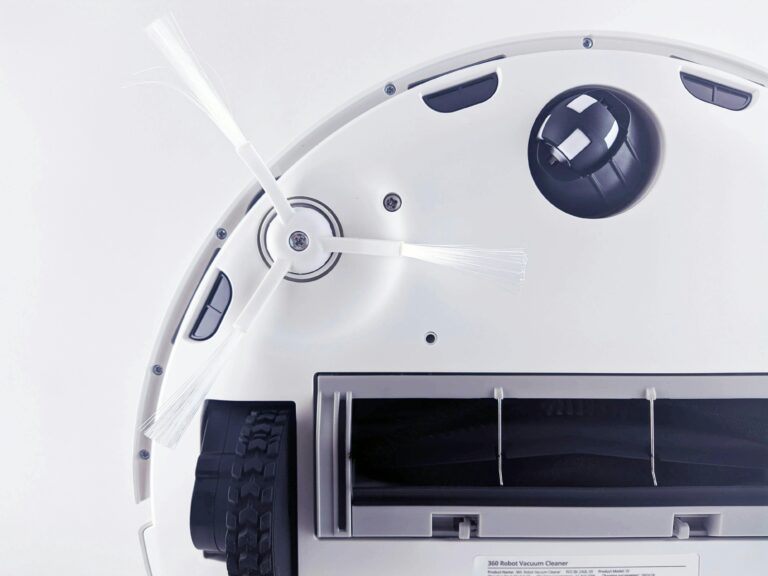
2. Brush Motors
Hair buildup and friction cause wear over time.
3. Wheels and Suspension
Heavy carpet or thresholds increase strain.
4. Sensors
Dust accumulation can reduce performance.
Proper cleaning and maintenance extend lifespan significantly.
How to Make a Robot Vacuum Last Longer
Lifespan isn’t just about brand — it’s also about care.
Here are habits that help:
- Clean brushes weekly
- Remove tangled hair promptly
- Empty the dustbin regularly
- Wipe sensors occasionally
- Replace filters as recommended
Ignoring maintenance shortens lifespan dramatically.
If your vacuum frequently struggles with navigation or gets stuck, reviewing Why Robot Vacuums Get Stuck (And How to Prevent It) can help reduce unnecessary strain on the unit.
Less strain = longer life.
Is It Worth Replacing the Battery?
In many cases, yes.
If:
- The battery is the only issue
- The vacuum still cleans effectively
- Replacement cost is reasonable
Then replacing the battery can extend life by several years.
If navigation, suction, and hardware are also failing, replacement may make more sense.
Frequently Asked Questions About Robot Vacuum Lifespan
How long does a robot vacuum battery last?
Most batteries last 2–4 years depending on usage.
Daily use shortens lifespan slightly, while occasional use extends it.
Can you replace a robot vacuum battery?
Yes, in most models.
Battery replacement is usually much cheaper than buying a new unit and can restore performance significantly.
Do expensive robot vacuums last longer?
Generally, yes.
Higher-end models often use stronger motors and better components, which improves durability over time.
However, maintenance still matters.
Is it bad to run a robot vacuum every day?
Not necessarily.
Daily use increases wear but also maximizes cleanliness.
Most quality models are designed for daily operation.
How do I know when it’s time to replace my robot vacuum?
Signs include:
- Significantly reduced suction
- Frequent error messages
- Failing navigation
- Battery replacement no longer solving issues
At that point, upgrading may be more cost-effective.
Are robot vacuums worth it long term?
If used regularly and maintained properly, they can deliver years of convenience.
However, choosing the right model upfront makes a big difference in long-term satisfaction.
Final Verdict: How Long Do Robot Vacuums Last?
Most robot vacuums last between 3–6 years.
Battery replacement can extend that lifespan further.
Lower-cost models may wear out faster. Higher-quality models tend to justify their price over time.
Like most things in this category, lifespan depends on:
- Usage frequency
- Maintenance habits
- Build quality
- Home environment
If you approach it as a long-term maintenance tool rather than a one-time miracle solution, a robot vacuum can absolutely provide solid value over several years.