Standing Desk Buying Guide: What Actually Matters Before You Buy
Standing desks sound like a simple upgrade. You buy one, stand more, feel better, and move on.
In reality, a lot of people end up regretting their purchase — not because standing desks don’t work, but because they bought the wrong one. Too much wobble. Motors that struggle. Desks that don’t go high or low enough. Or paying extra for features that don’t actually improve daily use.
This guide exists to help you avoid all of that before you spend the money.
You don’t need the most expensive standing desk.
You also don’t want the one you’ll replace in two years.
Let’s narrow this down the right way.
Why Most People Regret Buying a Standing Desk
Most standing desk regret comes from the same few mistakes — and they usually don’t show up until weeks or months after purchase.
The most common issues:
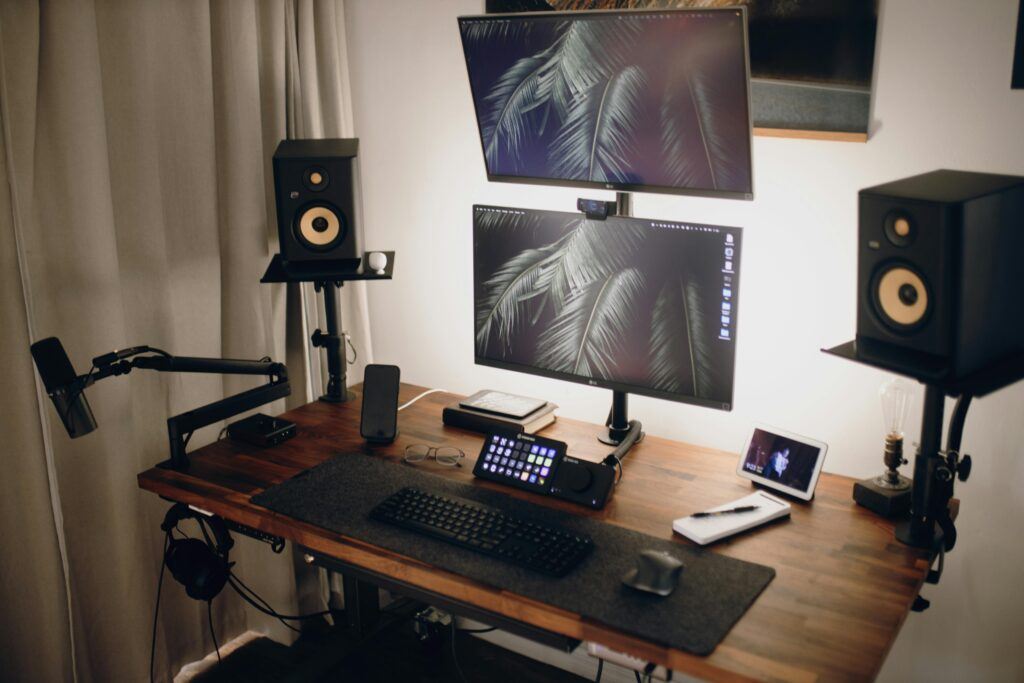
- Wobble at standing height, especially with monitors mounted on arms
- Motors that slow down, get noisy, or fail
- A desk that won’t go low enough or high enough for proper ergonomics
- Overpaying for “smart” features that never get used
- Realizing too late that the desk doesn’t fit their space or workflow
What’s frustrating is that almost all of these problems are avoidable. They’re not random defects — they’re predictable outcomes of buying based on marketing instead of function.
Once you know what actually matters, the decision gets much easier.
Standing Desk Features People Overpay For
A lot of standing desks look impressive on product pages. Touchscreens, apps, drawers, lighting — none of these things are bad, but most of them don’t improve how the desk actually performs.
Here are the most common features people overpay for.
Touchscreen or “smart” control panels
They look sleek, but after the first week, most people use the same one or two height settings. Physical buttons work just as well and are usually more reliable long-term.
App or Bluetooth controls
In theory, adjusting your desk from your phone sounds useful. In practice, it adds complexity without solving a real problem. More electronics also mean more potential failure points.
Built-in drawers or storage
These often reduce legroom and flexibility. Most people end up adding separate storage anyway.
Excess memory presets
You rarely need more than two or three. Paying extra for six or eight presets doesn’t change daily use.
Cosmetic upgrades that don’t affect stability
Premium finishes are fine if you care about aesthetics, but they don’t fix wobble, weak motors, or poor frames.
These features aren’t deal-breakers — they’re just rarely worth paying extra for. It’s better to spend that money where it actually improves the desk.
The Standing Desk Features That Actually Matter
If you strip away the marketing, a standing desk only has a few jobs. When it does those well, everything else becomes secondary.
These are the features that matter long-term.
Stability at Standing Height
This is the number one issue people complain about. A desk that feels solid while sitting can wobble noticeably once raised.
Stability depends on:
- Frame design
- Leg thickness
- Crossbar support
- Foot width
If you plan to stand regularly, stability matters more than almost any other feature.
Motor Quality (Single vs Dual)
Motors do most of the work — and they’re often the first thing to fail on cheaper desks.
Dual-motor desks:
- Lift more weight
- Move more smoothly
- Put less strain on each motor
Single-motor desks can be fine for light setups, but once you add monitors, arms, or heavier desktops, motor quality becomes critical.
Height Range
This is one of the most overlooked specs.
A desk that doesn’t go low enough forces poor posture for shorter users.
A desk that doesn’t go high enough is unusable for taller users.
Always check both the minimum and maximum height, not just the marketing description.
Weight Capacity Under Real Use
Weight ratings are often listed under ideal conditions. Real-world setups include:
- Multiple monitors
- Monitor arms
- Heavy desktops
- Accessories
A desk that’s technically “within limits” can still struggle if it’s near the top of its capacity every day.
Warranty and Parts Coverage
Warranty length tells you a lot about how confident a company is in its product.
Look for:
- Coverage on motors and electronics
- Clear replacement policies
- Reasonable warranty length (especially on moving parts)
A strong warranty isn’t just protection — it’s a signal of build quality.
When It’s Actually Worth Paying More for a Standing Desk
Spending more only makes sense when it solves a real problem or prevents a future one.
Paying extra is usually worth it if:
- You’re tall or very short
- You use heavy or multiple monitors
- You stand for long portions of the day
- The desk is shared or adjusted frequently
- You expect to keep it for 5–10 years
In these cases, the higher upfront cost often prevents frustration, repairs, or replacement later.
You’re not paying for luxury — you’re paying to avoid buying twice.
When a Cheaper Standing Desk Is Fine
Not everyone needs a premium desk, and that’s okay.
A more affordable standing desk can be perfectly fine if:
- You use a laptop or very light setup
- You only stand occasionally
- You’re working with limited space
- The desk is temporary
- Budget is the top priority
The key is being honest about how you’ll actually use it. Problems usually happen when expectations don’t match reality.
The Standing Desks That Actually Make Sense
There are hundreds of standing desks on the market, but most people don’t want hundreds of choices — they want a few good ones.
Instead of listing everything, it’s better to narrow the field to desks that:
- Perform well long-term
- Avoid common failure points
- Are priced reasonably for what they offer
If you want the short list, that’s where the Top 5 Standing Desks That Actually Make Sense comes in.
How to Buy a Standing Desk You Won’t Replace in 2 Years
Most standing desks don’t fail immediately. They slowly become annoying — noisier motors, more wobble, less confidence when raised.
To avoid that:
- Prioritize stability and motors over features
- Buy for your height and setup, not averages
- Treat warranty as a quality signal
- Avoid paying for extras that don’t improve performance
Furniture replacement is expensive, inconvenient, and usually avoidable. Buying once costs less than replacing later.
Final Thoughts
Buying a standing desk doesn’t have to be complicated — but it does require filtering out the noise.
This isn’t about spending the most or finding the flashiest option. It’s about understanding what matters, what doesn’t, and making a decision you won’t second-guess a year from now.
If you want to keep going:
- Learn which features people overpay for
- See when it’s worth paying more
- Or skip straight to the standing desks that actually make sense
The goal is simple: buy once, and be done.