Robot Vacuum Buying Guide: What Actually Matters Before You Buy
Robot vacuums are one of those products that sound smarter than they often are.
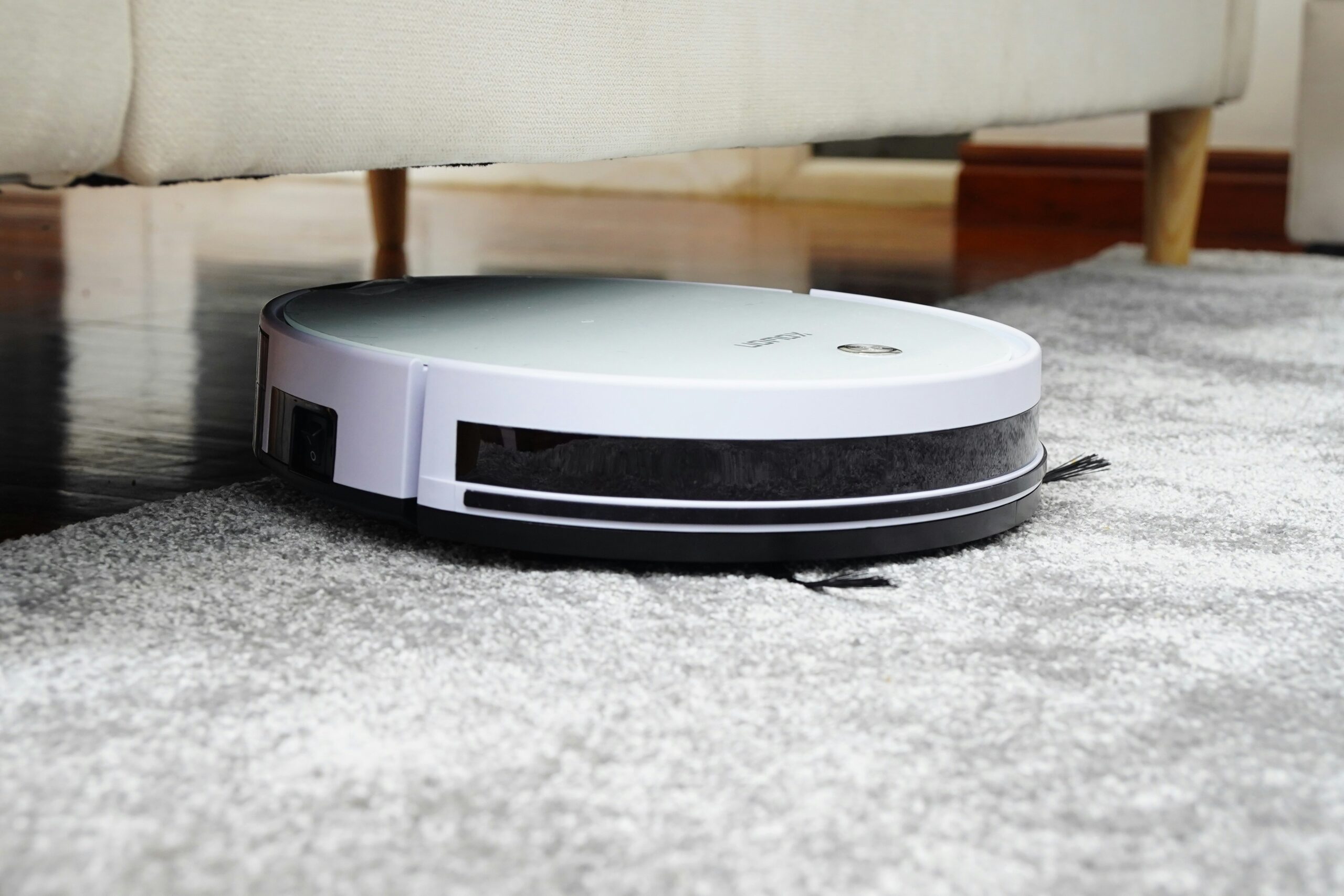
In the right home, they can be genuinely useful — saving time, keeping floors consistently cleaner, and reducing how often you need to pull out a full-size vacuum. In the wrong home, they’re an expensive gadget that spends more time stuck under furniture than actually cleaning.
The problem isn’t that robot vacuums are bad.
It’s that most people buy them without understanding what they actually do well, what they don’t, and which features matter versus which ones are mostly marketing.
This guide exists to slow that decision down.
Before you spend money on a robot vacuum, we’ll walk through:
- Who they’re actually for
- What they realistically handle
- Where people overpay
- When buying one makes sense — and when it doesn’t
If you decide a robot vacuum is right for you, we’ll point you in the right direction.
If you decide to skip it entirely, that’s a win too.
Common Robot Vacuum Problems
If you’re researching robot vacuums, these quick guides answer some of the most common problems buyers run into before and after purchasing.
Who a Robot Vacuum Is (and Isn’t) For
Robot vacuums work best when expectations are realistic. They’re not designed to replace traditional vacuums — they’re designed to maintain cleanliness between deeper cleanings.
Robot Vacuums Make Sense If You…
A robot vacuum is more likely to be worth it if you:
- Have mostly hard floors or low-pile rugs
- Want light, frequent cleaning rather than deep cleaning
- Have pets that shed consistently
- Value convenience more than perfect results
- Are okay with occasional setup and maintenance
In these situations, robot vacuums can quietly do useful work in the background.
A Robot Vacuum Probably Isn’t Worth It If You…
You may want to skip one entirely if you:
- Expect it to replace a full-size vacuum
- Have thick or high-pile carpet throughout your home
- Don’t want to manage upkeep, cleaning, or troubleshooting
- Have a cluttered floor plan with lots of obstacles
- Are buying one mainly because it “sounds smart”
Robot vacuums reward the right environment. In the wrong one, they feel frustrating very quickly.
What Robot Vacuums Actually Do Well (and What They Don’t)
Marketing makes robot vacuums sound far more capable than they usually are. Understanding their strengths and limitations prevents disappointment.
What Robot Vacuums Do Well
Robot vacuums are good at:
- Light daily cleaning
- Picking up dust, crumbs, and pet hair
- Maintaining cleanliness between manual vacuuming
- Keeping hard floors consistently cleaner with minimal effort
Used this way, they reduce how often you need to vacuum — not eliminate it.
What Robot Vacuums Don’t Do Well
They’re not great at:
- Deep carpet cleaning
- Cleaning corners and edges thoroughly
- Handling heavy debris
- Operating without occasional human intervention
- Adapting perfectly to cluttered layouts
If your expectations match reality, they feel helpful. If they don’t, they feel overpriced.
The Features That Actually Matter
Robot vacuum feature lists are long — but only a few things truly affect real-world performance.
Basic navigation matters more than advanced mapping.
Most homes benefit from:
- Consistent room coverage
- Logical movement patterns
- Reliable docking and recharging
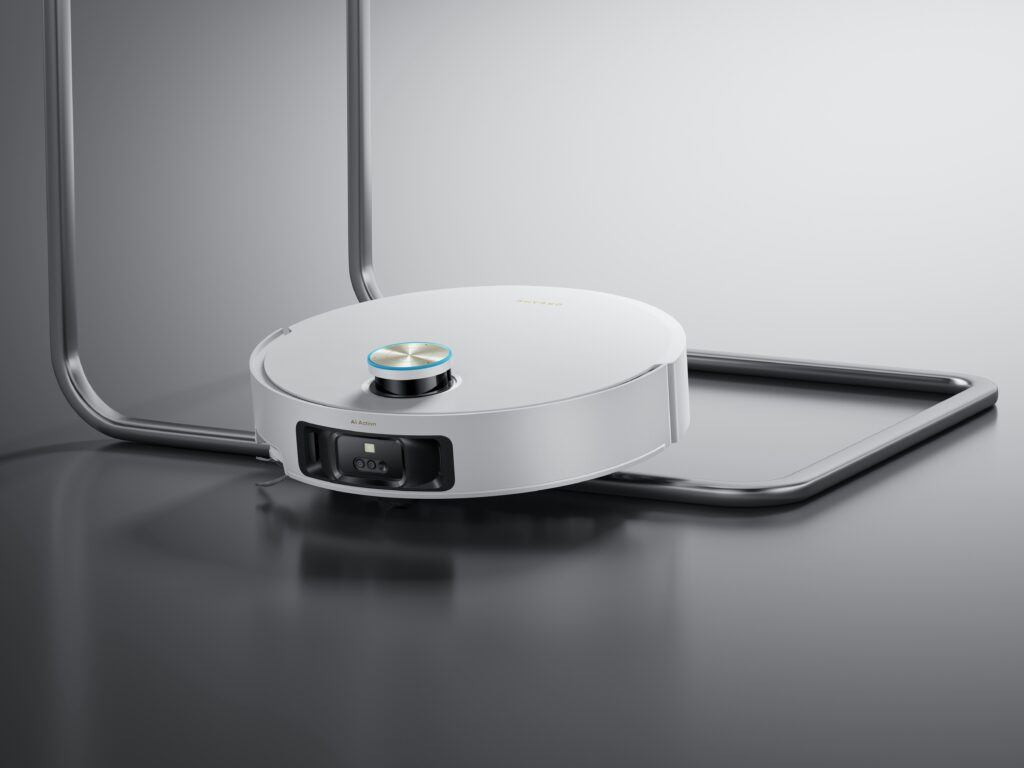
Highly advanced mapping and “AI” obstacle detection can help in some homes, but they’re often unnecessary — and expensive — for simple layouts.
Suction Power (Why Bigger Numbers Don’t Mean Better Cleaning)
Suction specs are heavily marketed, but raw numbers don’t tell the full story.
What matters more:
- Floor type (hard floors vs carpet)
- Brush design
- Consistency of cleaning
A well-designed robot vacuum with moderate suction often performs just as well as one with inflated specs.
Brush Design & Floor Compatibility
Brush design affects performance more than many people realize.
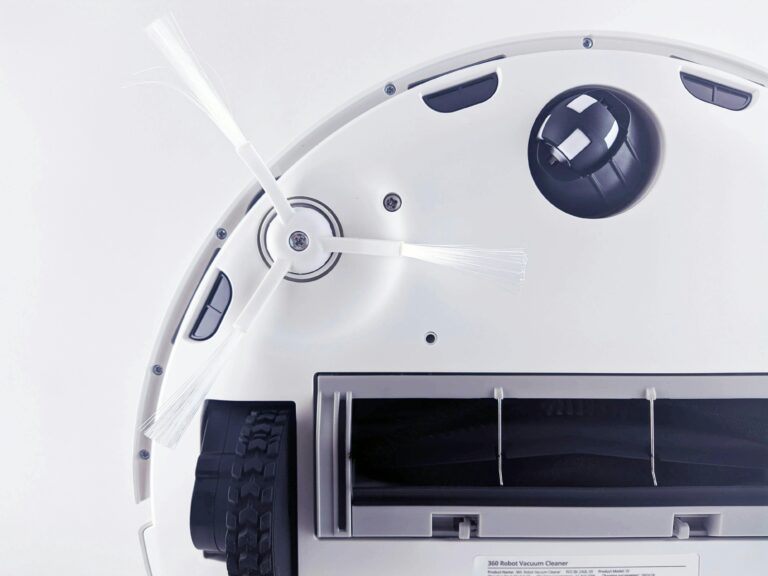
- Rubber brushes handle pet hair better and tangle less
- Bristle brushes can work well but require more maintenance
- Floor compatibility matters more than brand names
This is especially important for pet owners.
Battery Life & Charging Logic
Long battery life sounds appealing, but most homes don’t need it.
More important than battery size:
- Reliable recharge-and-resume behavior
- Efficient cleaning patterns
- Consistent return to the dock
A robot vacuum that cleans intelligently uses less battery overall.
App Reliability (Not App Features)
App stability matters more than flashy features.
A simple, reliable app that:
- Starts cleaning on schedule
- Handles room selection
- Doesn’t crash or disconnect
is far better than one packed with rarely used options.
Common Robot Vacuum Mistakes People Make
Most frustration with robot vacuums comes from a few predictable mistakes.
- Buying the most expensive model “just in case”
- Ignoring floor type when choosing a model
- Expecting full automation with zero effort
- Underestimating maintenance and cleaning
- Assuming self-emptying means no involvement
The best robot vacuums still require occasional attention. Planning for that avoids regret.
When a Robot Vacuum Is Actually Worth the Money
Robot vacuums tend to make sense when:
- Floors get dirty frequently
- Pets shed consistently
- Large hard-floor areas are used daily
- Manual vacuuming is already a pain point
They’re most effective as a supplement, not a replacement.
If you’re on the fence, this decision deserves a closer look.
→ When a Robot Vacuum Is Actually Worth It
When You Should Skip a Robot Vacuum Entirely
Sometimes the smartest purchase is no purchase at all.
You may be better off skipping a robot vacuum if:
- Your space is small and easy to clean manually
- Most floors are thick carpet
- You’re on a tight budget
- You don’t mind vacuuming regularly
- Floor clutter is unavoidable
Buying once doesn’t mean buying everything — it means buying intentionally.
Where Most People Overpay
obot vacuum pricing is driven by features that often sound more impressive than they perform.
Common overpayment areas include:
- “AI” and advanced obstacle detection
- Excessively high suction ratings
- Dozens of cleaning modes
- Smart features that don’t improve cleaning results
These features aren’t always useless — but they’re often unnecessary.
→ Robot Vacuum Features People Overpay For
Choosing a Robot Vacuum That Makes Sense
A robot vacuum that makes sense is:
- Matched to your floor type
- Simple enough to be reliable
- Easy to maintain
- Not overloaded with features you won’t use
The goal isn’t the smartest robot — it’s the least frustrating one.
If you’ve decided a robot vacuum fits your home, these are the options worth considering.
→ Top 5 Robot Vacuums That Make Sense
Final Thoughts
Buying once doesn’t mean buying the most expensive option.
It means understanding tradeoffs, ignoring hype, and choosing products that won’t need to be replaced or regretted a year from now.
Sometimes that means buying carefully.
Sometimes it means skipping a purchase entirely.
Either way, the win is making the decision before you buy.