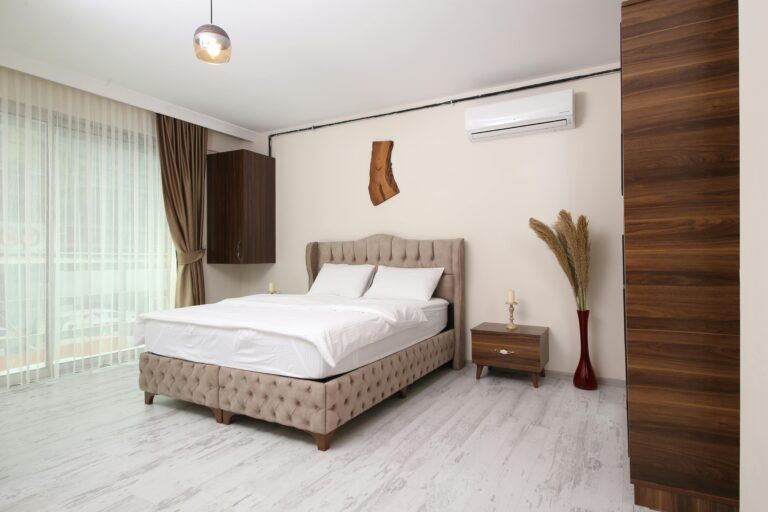

Mattress Buying Guide: What Actually Matters Before You Buy
A mattress is one of the most expensive — and most regretted — purchases in a home.
You use it every night. It affects your sleep, your back, your recovery, and your daily energy. Yet most people choose a mattress after lying on it for five minutes in a showroom or clicking “Buy Now” during a holiday sale.
Then they live with that decision for years.
This guide exists to slow that down.
Before you buy a mattress, you need to understand:
- What actually affects comfort
- What determines durability
- Where marketing exaggerates
- When paying more makes sense
- And when it doesn’t
Because replacing a bad mattress isn’t just inconvenient — it’s expensive.
Why Mattresses Are So Easy to Regret
Mattress regret is incredibly common.
Unlike most purchases, you don’t truly know if you made the right choice until you’ve slept on it for several weeks. Even then, early comfort doesn’t always predict long-term support.
Common reasons people regret their mattress:
- It feels too soft after a few months
- It causes lower back pain
- It sleeps hotter than expected
- It begins sagging early
- It doesn’t isolate motion from a partner
- It was purchased based on hype rather than construction
Most of these problems come from misunderstanding what actually matters in mattress design.
We’ll break down the most common missteps in Mattresses People Regret Buying.
The Biggest Mistake: Buying Based on “Feel” Alone
Comfort matters — but it’s only part of the equation.
A mattress needs to provide:
- Pressure relief
- Proper spinal alignment
- Long-term structural support
What feels plush in a store can become unsupportive at 3 a.m.
What feels firm at first may provide better alignment long term.
The surface comfort layer is only one part of the build. Beneath that layer is the support core — and that determines how well the mattress performs over years, not minutes.
Buying based purely on first impression often leads to regret.
Understanding Mattress Types (Without Overcomplicating It)
Most mattresses fall into a few main categories.
Memory Foam
Conforms closely to the body and provides strong pressure relief. Quality varies widely depending on foam density. Lower-density foams break down faster.
Innerspring
Traditional coil-based mattresses. Often more breathable and bouncy but may lack contouring if comfort layers are thin.
Hybrid
Combines foam comfort layers with a coil support system. Often balances support and pressure relief well when built with quality materials.
Latex
Responsive, durable, and often more breathable. Typically more expensive but known for longevity.
The label alone doesn’t determine quality. A well-built foam mattress can outperform a poorly constructed hybrid. Materials and density matter more than marketing categories.
What Actually Determines Mattress Lifespan
Durability depends largely on:
- Foam density
- Coil gauge and quality (in hybrids)
- Thickness of support layers
- Overall construction integrity
Low-density foams soften quickly. Thin support layers lose structure faster. Budget coil systems may sag over time.
A mattress that feels great on day one can begin breaking down within two to four years if the materials are weak.
If you expect your mattress to last 7–10 years, durability should be one of your top filters.
We’ll explore this more in When It’s Actually Worth Paying More for a Mattress.

Firmness Isn’t One-Size-Fits-All
Firmness is subjective, but sleeping position matters.
- Side sleepers generally need more pressure relief.
- Back sleepers often need balanced support.
- Stomach sleepers typically need firmer surfaces to prevent hip sinking.
Body weight also affects how a mattress feels. Heavier individuals compress foam more deeply, which can expose weaknesses in lower-quality builds.
Choosing firmness without considering position and weight often leads to discomfort.
Heat Retention and Motion Transfer
Two common surprises after purchase:
Sleeping hot.
Feeling every movement from a partner.
Memory foam can trap heat depending on construction. Poor airflow and dense layers without cooling design can make temperature regulation difficult.
Motion isolation matters for couples. Foam generally absorbs motion better than traditional springs, but hybrid construction varies.
If either of these factors matter to you, they should influence your choice from the beginning — not after purchase.
When Budget Mattresses Make Sense
Spending more doesn’t automatically mean better sleep.
Budget options can work well for:
- Guest rooms
- Temporary living situations
- Children’s rooms
- Short-term housing
If you don’t expect long-term use, paying premium prices may not be necessary.
The key is matching investment to expected lifespan.
Warranty and Trial Period Myths
A 10-year or 20-year warranty does not guarantee performance.
Most warranties only cover visible sagging beyond a specific depth. They do not cover gradual softening or comfort changes — which are the most common complaints.
Trial periods are helpful, but they can’t predict long-term durability.
Understanding this prevents overconfidence in marketing claims.
A Smarter Way to Choose a Mattress
Before buying, ask yourself:
- How long do I expect to keep this mattress?
- What position do I sleep in most?
- Do I sleep hot?
- Do I share the bed?
- Am I prioritizing durability or short-term comfort?
Then evaluate materials — not just branding language.
A mattress should match your sleep habits and long-term expectations, not a sale banner.
Mattresses That Actually Make Sense
You don’t need the most expensive mattress.
You need one that:
- Matches your sleep style
- Uses durable materials
- Provides proper support
- Fits your realistic budget
If you want a focused list of Amazon-available options that balance durability and value, visit:
👉 Top 5 Mattresses That Actually Make Sense
And to avoid the most common mistakes, review:
👉 Mattresses People Regret Buying
Final Takeaway
A mattress is not a casual purchase. It’s something you rely on every night.
Buying impulsively can mean years of poor sleep — or replacing it sooner than expected.
Slow down.
Understand construction.
Prioritize durability.
Buy once — and sleep better.